writing
“When One Falls, We Continue”: Compartmentalization and the Player in Clair Obscur: Expedition 33
Clair Obscur: Expedition 33 turns the separation between authored scenes and player-controlled gameplay into a study of compartmentalization.
Disclaimer: Spoilers ahead
Video games are an interesting medium. On one hand, they can be the most immersive form of entertainment, while at the same time having some extremely immersion-breaking moments. One such way they may break immersion is through the separation between authored story scenes and player-controlled gameplay. You can find yourself deep into a cutscene, perhaps a character has died, the world has ended, or the stakes have been upped, then immediately after you're back in camp, talking and joking with the pre-baked default lines each character has in their "idle" moments. Clair Obscur: Expedition 33 is no different than this, but the contents of its story allow these whiplashing moments to strengthen your immersion instead of being a weakness.
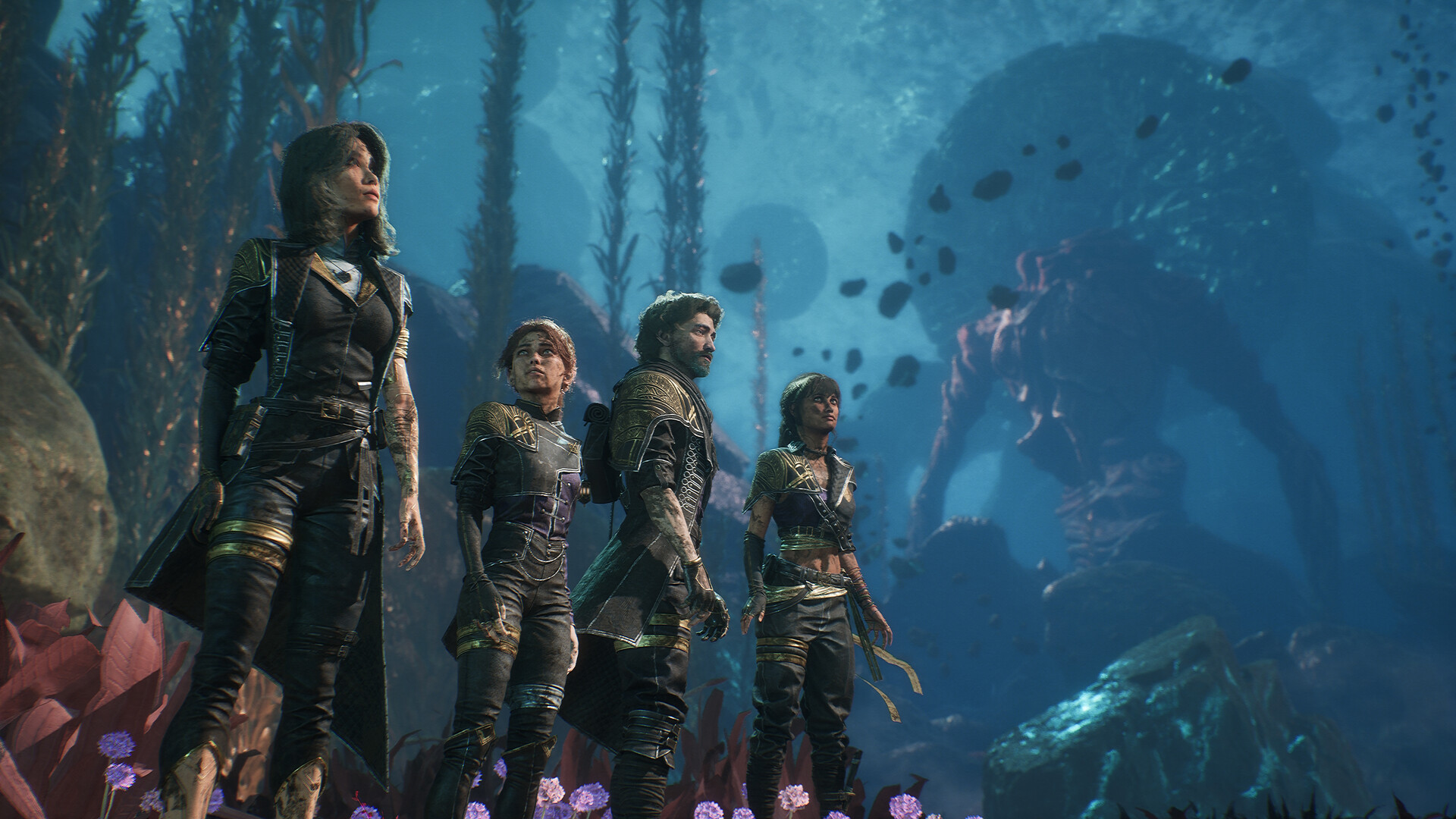
First of all, Expedition 33 does not try to do a lot to circumvent this particular quirk of the medium. It has the same style of tonal shifting: you're in a cutscene, something crazy happens, or a new layer of trauma is dumped over the cast, or the world basically ends, and you're given back control. Now you have a few things you can do: talk to the other characters, write in your journal, or just simply go to sleep and go back to exploration. Should you choose to talk to the others, they briefly react to what just happened and you're given the option to spend time. Answer yes, and you begin a sequence of scenes in which the two characters are bonding, maybe joking around, or potentially brooding together, but seemingly in isolation from what happened mere moments ago. Your other post-big-cutscene options are to do some upgrades, do some journaling, or simply go to sleep and move on with the game. None of these options truly "care" about what just happened and serve to either push things forward or take your mind off of them: let you process what happened, put it into memory and move on. It's important to acknowledge that they don't necessarily need to acknowledge anything. You still get to keep your immersion, even if you don't know why or how.
The game brings together characters from very different backgrounds, all bound by one major goal: ending the Gommage by defeating the Paintress. One particular thing about each of these characters that further strengthens their similarity is the way they deal with loss and trauma through the pattern of compartmentalization: the act of separating painful thoughts or emotions from the rest of one’s experience, allowing a person to keep functioning without confronting everything at once.
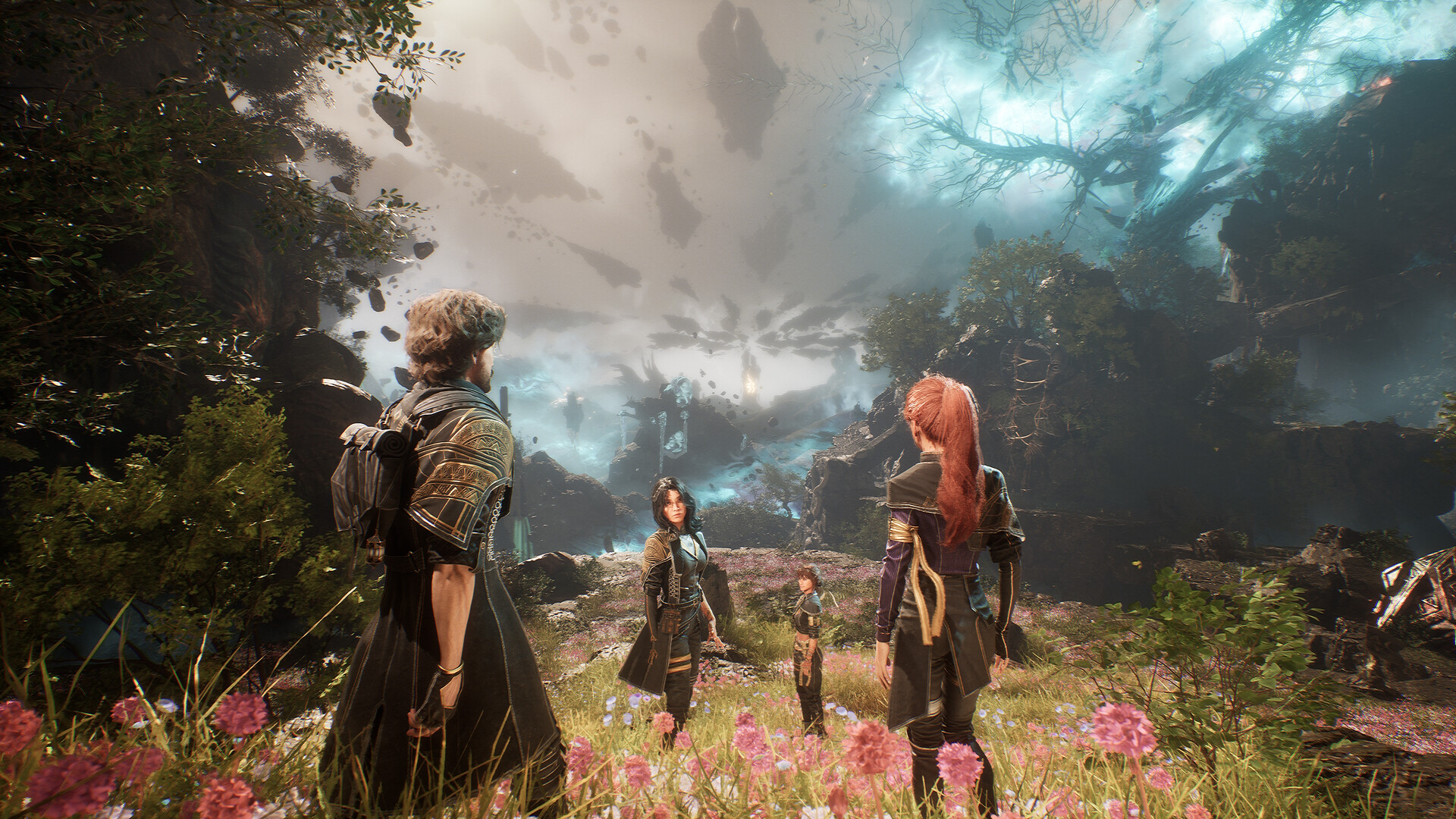
For example, Lune chooses to hide away her aches behind doctrine. After the beach incident at the start of the game, while Gustave is focusing on the dead, she quotes protocol: "When one falls, we continue." She spares no moment to grieve or to spiral and focuses on what must happen next. Later in the game, in conversation with Verso, she explains how everything she's ever done is about the Paintress. When Verso asks why she keeps doing work she resents, she says it's because it's the only way to silence the voices. Lune is a clear example of compartmentalization through work, rules, and protocols.
While Lune loses herself in work to lock out her trauma, Maelle chooses to lose herself in the Canvas. After her memories merge with those of Alicia, her real self, it becomes her sole mission to repaint the world and restore Gustave and the rest who have passed. She knows the real world exists and what happened there, but chooses to live inside a separate reality in which those losses do not govern her. She feels deeply responsible for those losses, so she chooses an entire world-sized compartment. Alicia/Maelle chooses this world to avoid confronting the reality of her lost voice and dead brother.
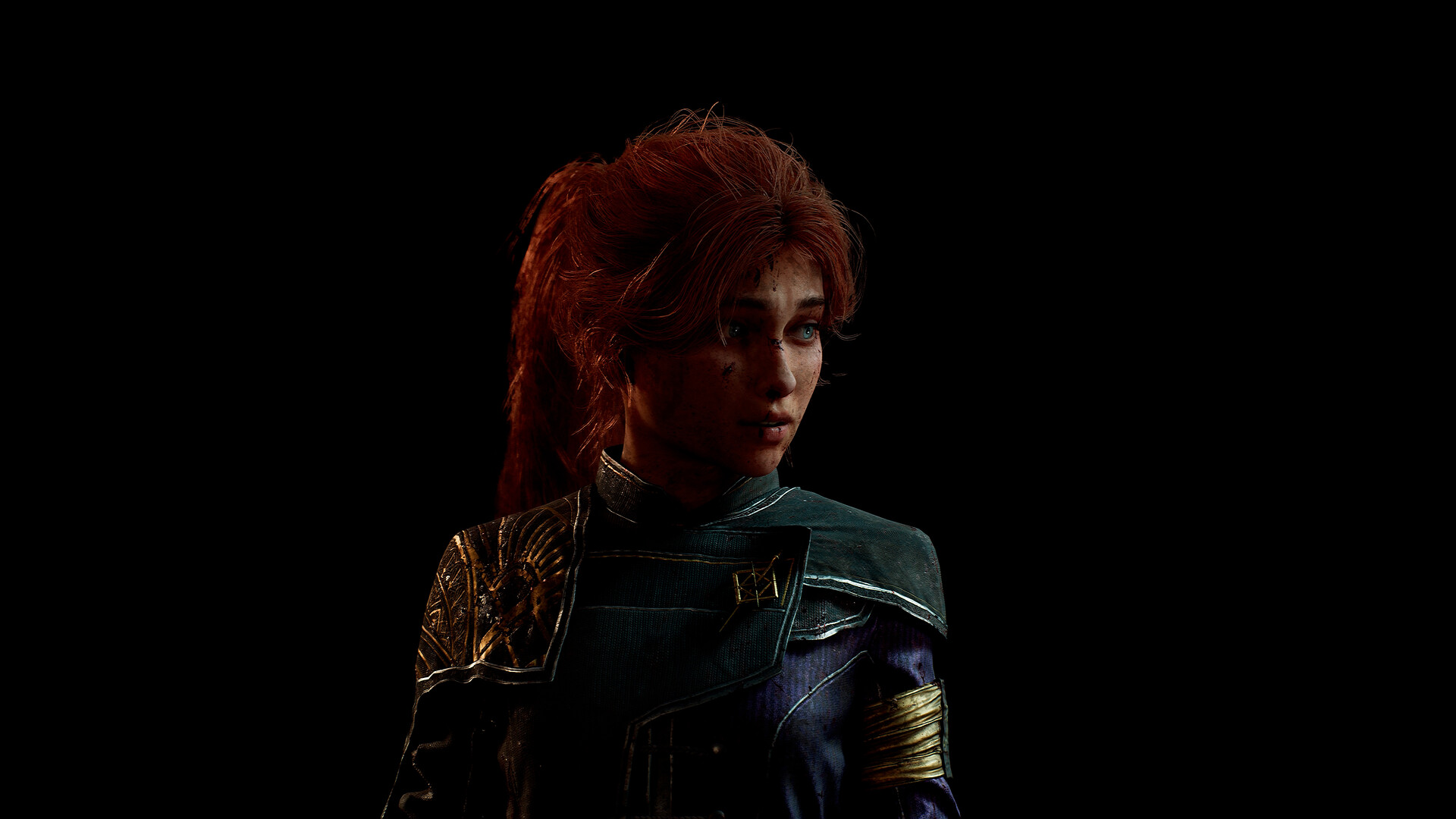
These patterns don't stop with the characters; the game’s structure pushes the player to behave similarly. The writing compresses the feelings its characters feel and has them close them off, either by action, through rules, as goals, or by even wanting to live in alternate realities. This is at the core of the world these characters live in: everything they do and everything they want is related to either the defeat of the Paintress or the end of the Gommage. No matter what, these people must find a way to push on or die trying, and sometimes the only way to do that is by putting parts of reality aside.
The player is funneled into behaving similarly to these characters by the very design of the game. A cutscene is over and you're back at camp. Your options are limited and exhaustible. Do some upgrades, write in your journal, walk up to each character and exhaust the dialogue. Then you go to sleep, maybe watch another cutscene if it comes up, and then the world map opens. You're back in control with everything that just went on locked in the past: no coming back to it, at least not without reloading a save file. You must push forward, because there is nothing else to do. This effect does not require every tonal shift to have been intentional. Some parts of the game do feel rushed or compressed, most notably in the final third. There are so many things to do and loose ends to tie that it simply has to force you to switch from emotional beats to hard-hitting battles. None of this fully puts you out of it, as the game's themes are strong enough to absorb this roughness. This compression becomes especially visible after defeating the Paintress. The game removes the damage cap, unlocks Esquie’s ability to fly, and opens the final dungeon almost all at once, with flight giving you a direct path to reach it. Once you do, another Gommage happens, the party is reunited very quickly, a final plan is formed, and the greatest expedition of all time heads back to Lumière to defeat Renoir. A huge amount of story progression is packed into a short stretch of play, making the seams between emotional moments, exploration, and major battles much easier to see.
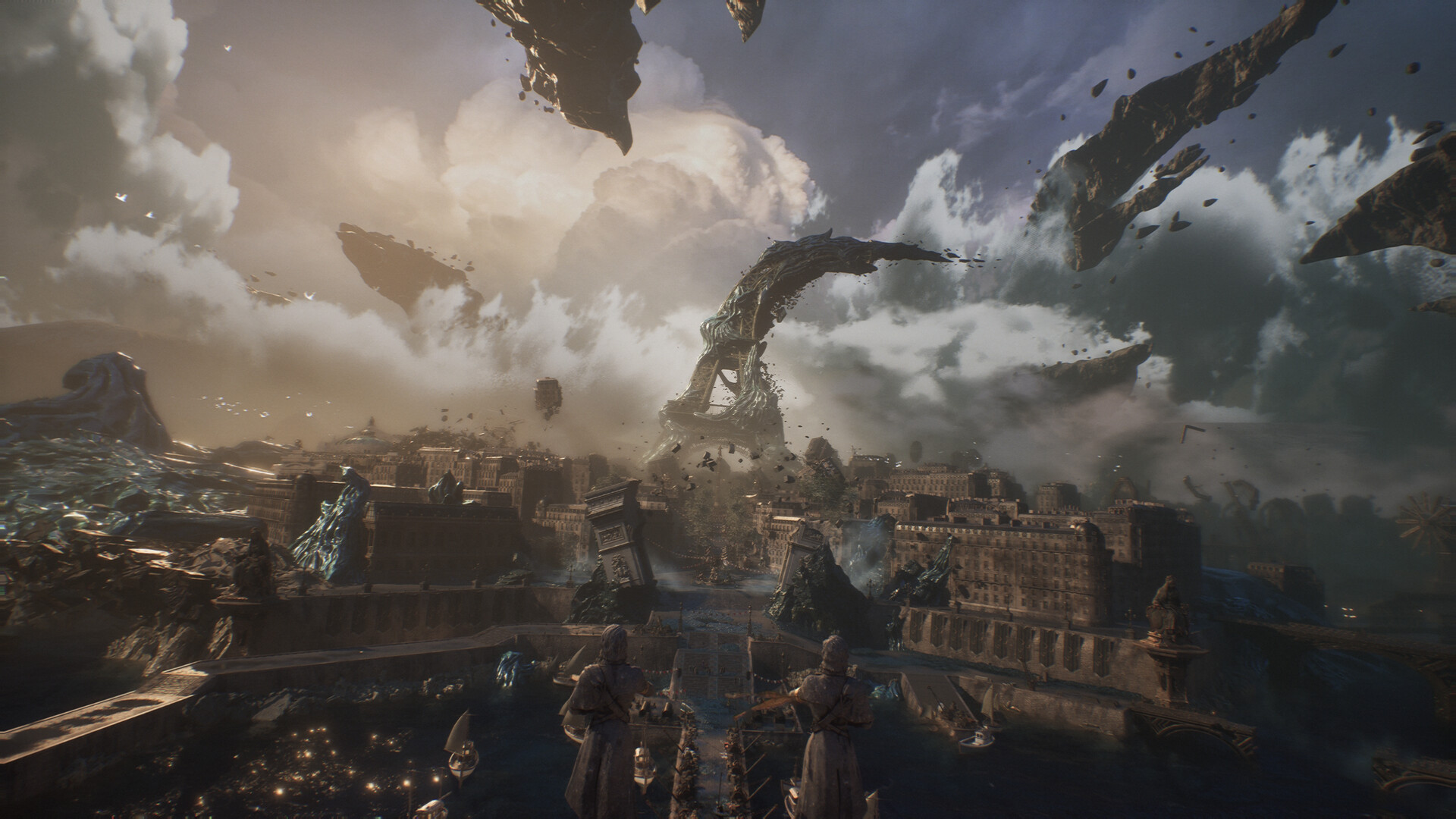
Clair Obscur: Expedition 33, just like any other game, inevitably has to move from authored scenes back into player-controlled gameplay. This can break immersion pretty easily, but thematic alignment can make this transition fit rather than disrupt. Expedition 33 serves as an example of the concept: when gameplay is in thematic alignment with the story, it moves with it rather than against it. Future games should pay attention not just to eliminating tonal whiplash, but to whether their gameplay rhythm reflects the way their characters process events.