Nine Sols Review
Nine Sols hit the scene in May 2024. Developed by Red Candle Games, it’s a Metroidvania that borrows key Soulslike elements and blends them with a striking ‘taopunk’ aesthetic. You step into the paws of Yi, our cat-shaped protagonist whose vengeance quest hides deeper stakes, in a world filled with Taoist philosophy.
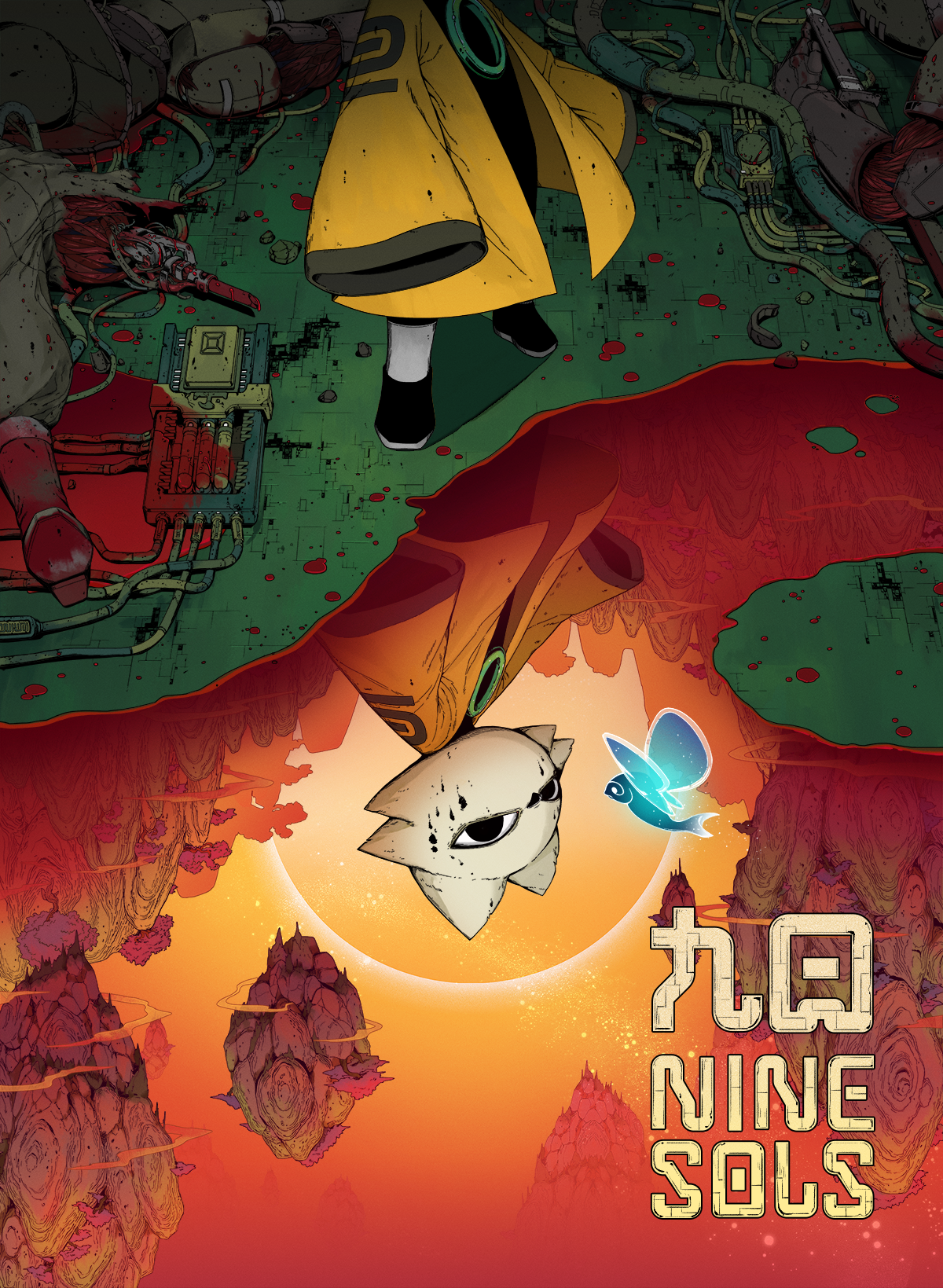 Image: Red Candle Games
In Nine Sols, you play as Yi, a Sol who, betrayed by his mentor Eigong alongside the rest of his colleagues, sets of on a quest to make things right and exact vengeance in the process. This surface-level approach to the game’s story does not do it enough justice, as it is far more deep and nuanced. In a way, the game’s story evolves alongside the gameplay, and vice-versa.
As you progress through the game, deepen Yi’s relationship with his allies, most notably the human (referred to as ‘apeman’) boy Shuanshuan, and defeat major bosses, the story reveals its complexity, showing a different side to Yi and the world. Upon the defeat of the main bosses, Yi gets brief access to their memories, where he learns that despite the evil actions of his former colleagues, their were not always driven by pure malice. He begins to see the world as far less black-and-white, and with Shuanshuan’s persistent attempts to connect, Yi starts to reveal a more emotional and caring side, one long buried beneath his logical, scientific worldview.
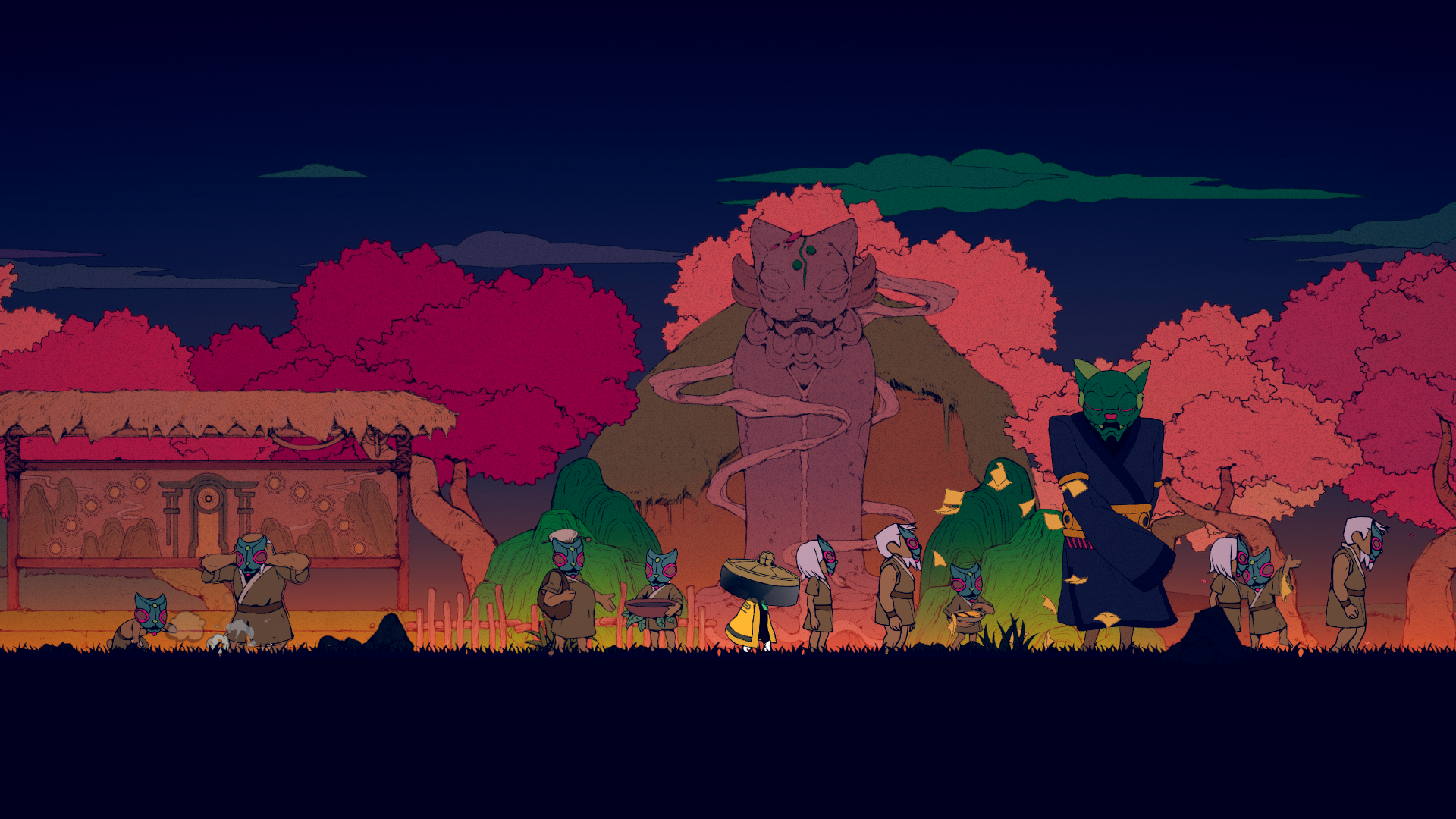 Image: Red Candle Games via IGDB
As you go through the game, the gameplay is periodically interrupted by flashbacks where we learn more about Yi’s relationship with his family, most notably his sister, Heng. In many ways, Shuanshuan is a parallel to Yi’s sister, showing the same unwavering love and curiosity for Yi, regardless of his emotional distance or his tendency to dismiss spiritual and emotional explanations of the world.
Another important interruption is during the moments when you are transported to a realm that Yi cannot explain. Here, he learns the various different Fangshi teachings in the form of a plethora of defensive and movement abilities. During these brief moments, the game truly reveals its self-appointed ‘taopunk’ aesthetic. Yi communicates with Lear, the long-gone father of the Fangshi Guild. Existing now only as a manifestation of the Tao, Lear not only teaches Yi new techniques but also challenges his understanding of the world. He is merely a manifestation of the Tao, and in addition to the gameplay elements, he teaches Yi about the broader Taoist philosophy and the natural order of things. Yi’s worldview is challenged, and in this way he gets prepared for the ultimate ending, both his and the one of his species.
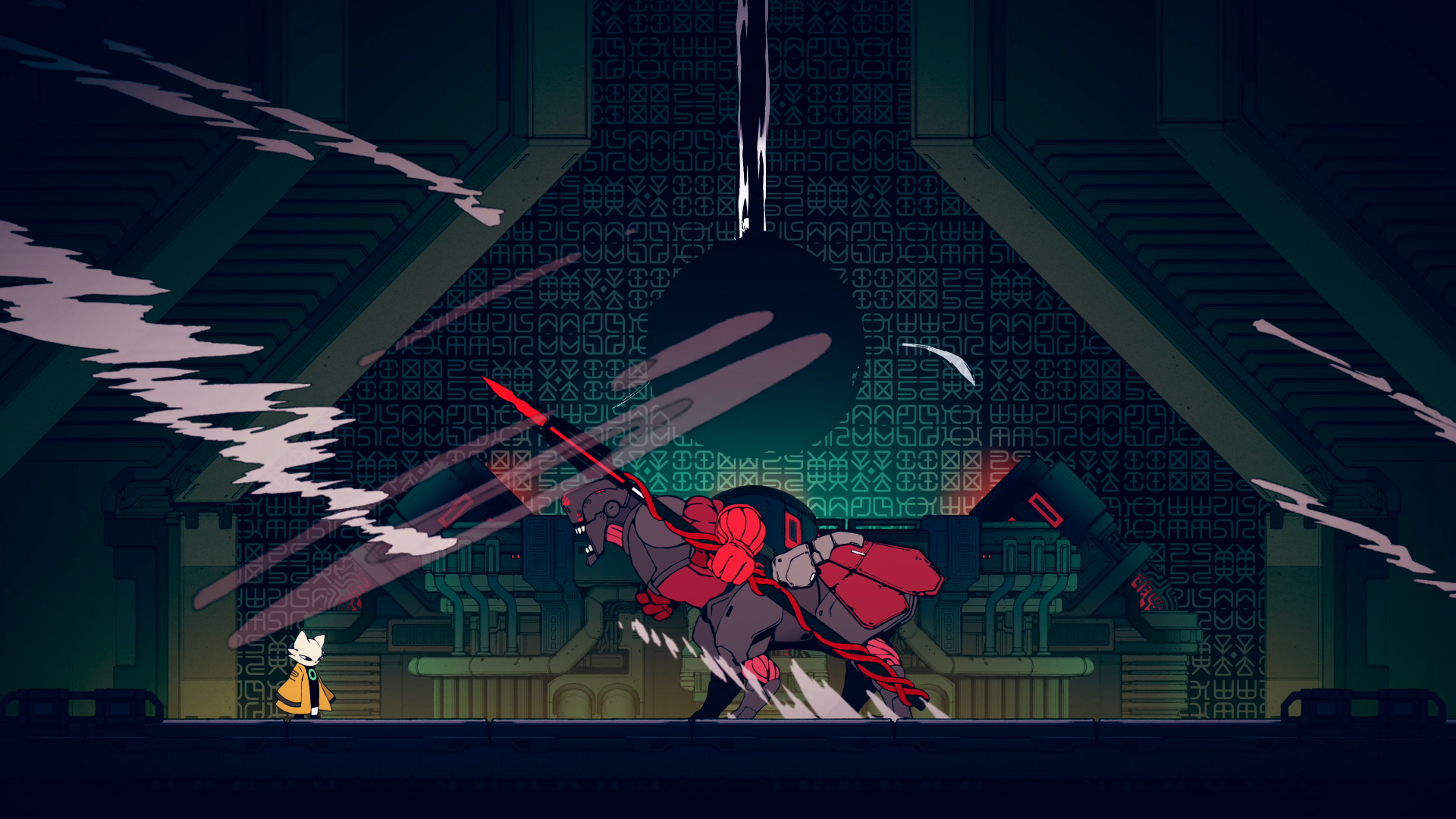 Image: Red Candle Games via IGDB
Beyond its rich narrative, Nine Sols delivers a gameplay experience that seamlessly blends fast-paced combat, intricate platforming, and strategic resource management. Inspired by Tai Chi, its combat emphasizes defensive techniques like parrying and dodging, which, when mastered, can trivialize even the toughest fights. However, the tight parry timing demands precision: missing the input leaves you scrambling for a heal. A missed parry isn’t a death sentence, though; a secondary timing window converts damage into internal damage, shown as a red afterimage on your health bar that gradually recovers if you avoid further hits. Complementing this system is the versatile Jade system, which replaces traditional weapons with customizable modifiers. For example, equipping a Jade that grants a revive can save you from a fatal blow, while another might boost damage at the cost of health—a tradeoff mitigated by pairing it with a health-regenerating Jade. Talismans add another layer, letting you dash through enemies, attach an explosive tag, and deal significant damage while converting their internal damage into real harm. This depth ensures every fight feels dynamic and rewarding.
This tight kind of combat demands high quality enemy design, and Nine Sols delivers. With a plethora of differently classed enemies, I never felt bored with who I was fighting. Ninjas, biosynthetic soldiers, robots and drones, each new area offered a fresh set of enemies to master. Where this game really shines is in the bosses. Housing a plethora of optional, or semi-optional depending on the ending you are going for, there’s never a dull moment. Where the game shines, though, is in the design of main bosses. The earlier ones to me were less memorable, but they served their purpose well: to teach the player to use all the tools at their disposal, and enriching the lore that much more (it even rhymes!). Once you’re done with those, the game gives you masterpiece after masterpiece. I’ve never been one who wants to return to a boss fight in these types of games, but most of these were so fun and creative that I was so happy when I saw a “Battle Memories” option in the main menu, which lets you replay all the main bosses of the game. Keep in mind that fun does not mean easy. These fights are brutal. I think I spent more tries on some of the final bosses of Nine Sols than my total deaths in Sekiro, but I loved every single second of that. Beyond the thrilling boss fights, Nine Sols shines in its exploration and mind-blowing art. The map’s interconnectedness gives you a puzzle to solve, with hidden paths and shortcuts that reward you with upgrades or some lore tidbits. Each area’s handcrafted visuals are a treat, between taoist temples and ruins, and eerie bio-tech factories, it begs you to stop and stare. The platforming is no joke either, mixing up tricky jumps with Yi’s slick moves keeps you hooked. Give in to the exploration, and you just might get rewarded with a different ending.
Nine Sols is one of the deepest, most story rich games of its genre, and packs that up into a tightly woven gameplay ball. It draws you in with wonderful art and animation, and keeps you there by giving you a simple set of mechanics, that together, form a level of complexity that feels satisfying to learn, and is very rewarding when mastered. With its profound ‘taopunk’ narrative, masterful mechanics, and a gorgeous world, Nine Sols begs you to stay, and is a must-play for fans of Metroidvanias, Soulslikes, or just challenging games in general.