God of War: Ragnarök Review
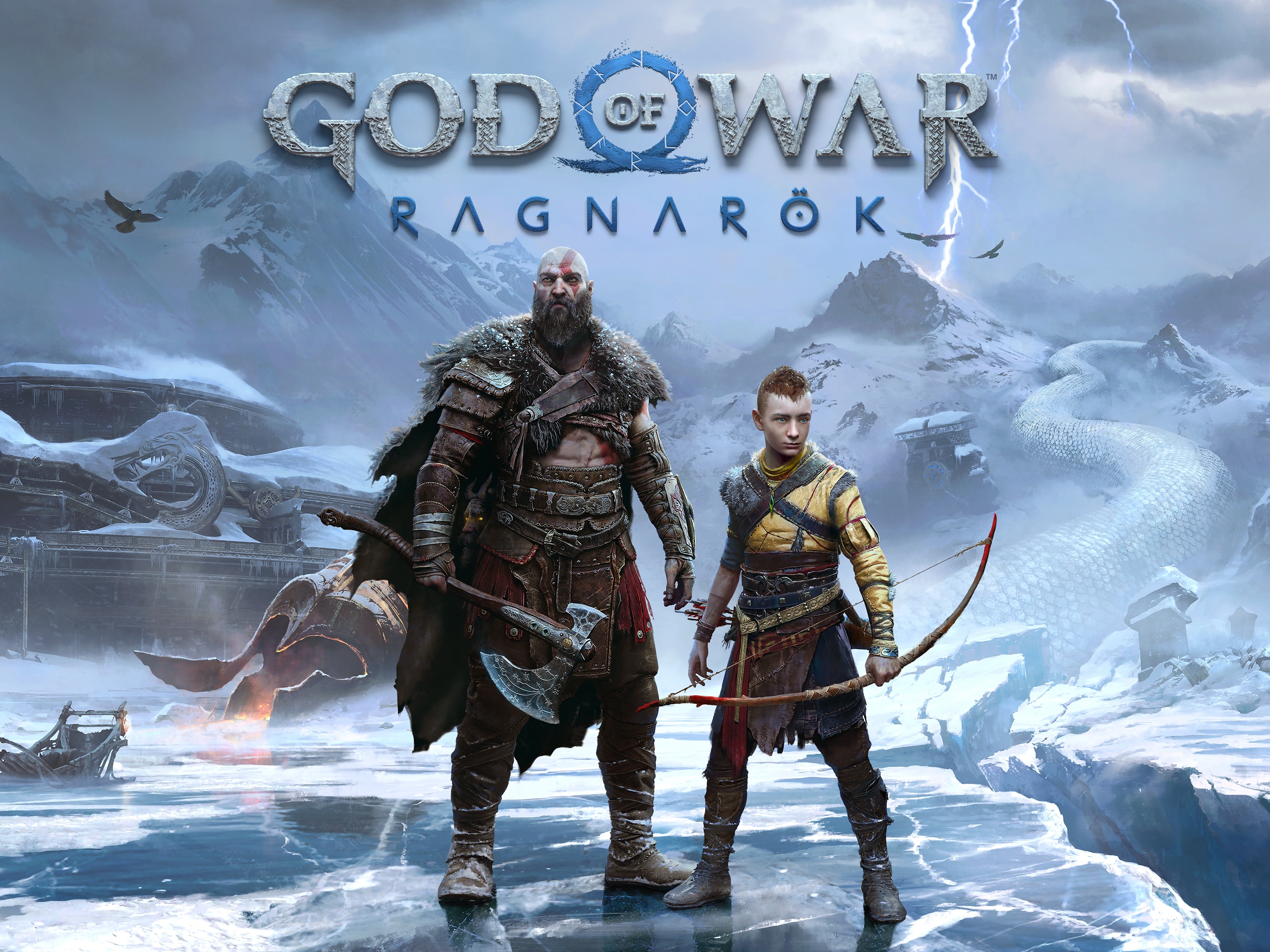 Image: SIE Santa Monica Studio/Sony Interactive Entertainment via IGDB
A direct sequel to 2018’s God of War and the fifth mainline game in the franchise, God of War: Ragnarök opens with a somber moment that quickly launches into a high-stakes, action-packed chase. This sets the stage for a journey packed with intense, emotionally charged dialogues and powerful, axe-wielding combat, pulling players into a relentless mix of story and action right from the start.
The opening sequence masterfully sets the tone, giving players a taste of the action and emotion that defines the game. As a direct continuation of its predecessor, it quickly reintroduces returning faces, but for those who need a refresher, there’s a well-crafted codex packed with lore on allies, foes, and plenty of details on enemy weaknesses. God of War: Ragnarök expands across the Nine Realms of Norse mythology, each with unique, atmospheric environments that add depth and variety. From the fiery desolation of Muspelheim to the lush, humid jungles of Vanaheim, every realm brings a new aesthetic and a distinct set of enemies that challenge players to adapt their strategies. Each realm also offers side activities, ranging from side quests to challenging Berserkers—boss encounters reminiscent of the Valkyries from the 2018 game. Boss battles in this game are at a whole new level, blending cinematic flair with intense, skill-based action. Watching Kratos go head-to-head with dragons, formidable Asgardians, agile elven warriors, literal gods, and more is endlessly thrilling. There’s a certain elegance in his brutal combat style that’s hard to describe—it’s both ferocious and graceful, making every battle feel epic and unforgettable.
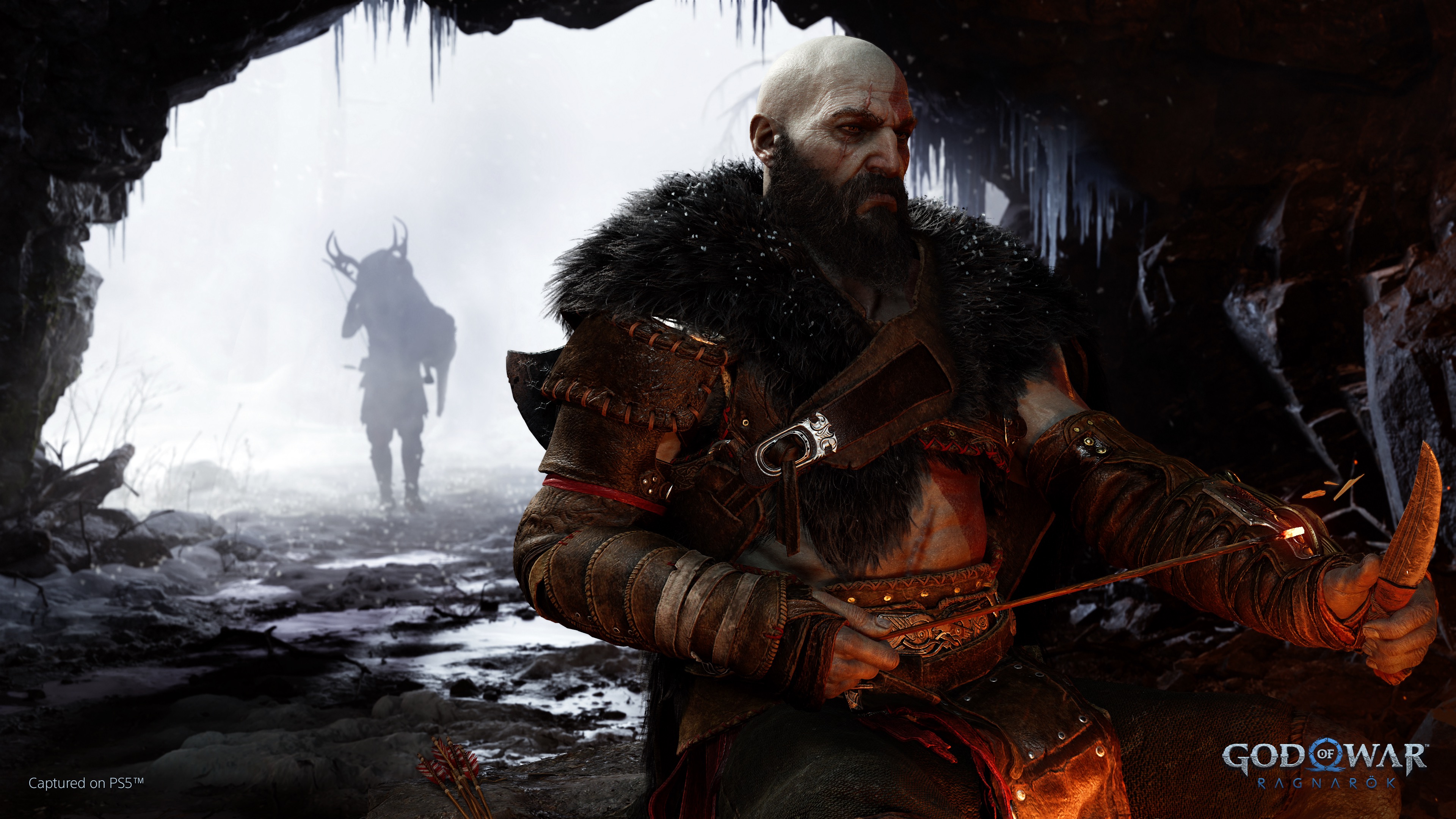 Image: SIE Santa Monica Studio/Sony Interactive Entertainment via IGDB
This is all backed up by the tight, combo driven, multi-weapon combat system. Switching between weapons is seamless, with every weapon picking up the flow of the previous one, letting you press the attack endlessly. Runic attacks, which are special weapon-specific moves, make a comeback, alongside the 2018 game’s weapon skill trees. The skill trees progress as you gain upgrades for your weapons, unlocking more and more perks and combos, further improving the versatility of every weapon.
Carrying the weapon system is the build system; build paths are set-up via the many armor sets and weapon attachments. Other than stats, they unlock special perks, with examples such as a time-slowdown when executing a perfect dodge, to a stacking damage buff with each attack. These perks scale with Kratos’ base stats, so there’s plenty to min-max!
I don’t have too many complaints about the gameplay design; perhaps only the pacing of upgrades. Some parts of the game provide an abundance of upgrade materials, while others make upgrades so scarce that it’s hard to commit to a single playstyle, in case a new option appears that requires the same resources. This, coupled with somewhat tedious menu navigation, added a slight frustration to an otherwise exceptional gameplay experience.
Setting things up for potential future instalments, God of War: Ragnarök offers a few sections where the player follows Atreus on solo missions. Just like his father, Atreus has his own upgrades that he can progress, unlocking new combat techniques, both when in follower mode and when he is the playable character. Atreus’ gameplay is not as in-depth as playing as Kratos, with his sections serving the story more than the gameplay.
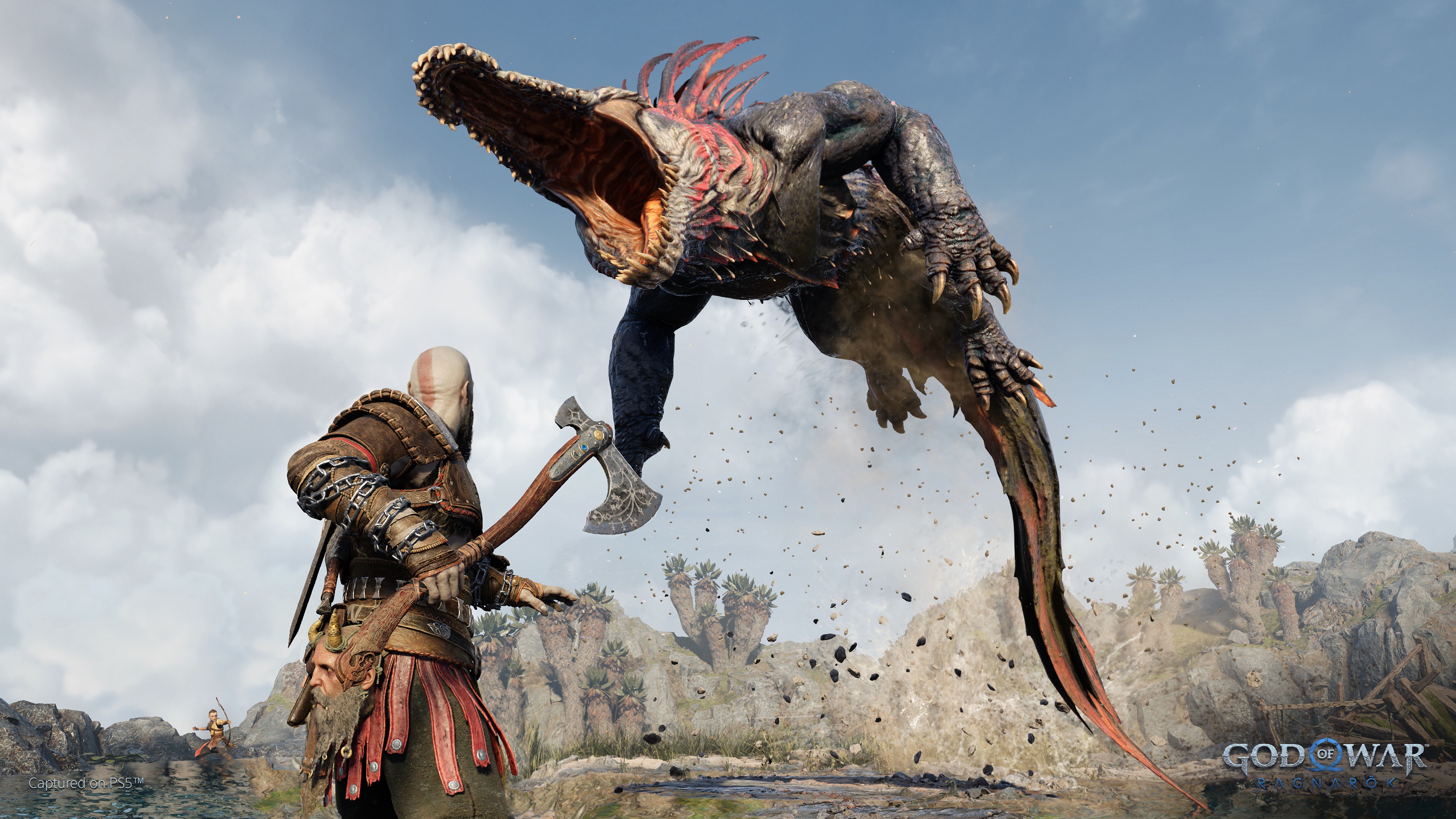 Image: SIE Santa Monica Studio/Sony Interactive Entertainment via IGDB
These intricate systems don’t just serve to diversify gameplay, but also deepen the immersion the player has with the compelling narrative. Every upgrade the player makes, every skill the characters learn, reflects the journey they are on. The story itself is a powerful continuation of Kratos and Atreus’ journey. Ragnarök builds on the bonds, struggles and mysteries introduced in the previous instalment, as father and son contend with their destinies in a world on the brink of apocalypse. With the imminence of the end of the world, and the seeming inevitability of prophecy, both sides of the conflict are trying to find ways to avoid Ragnarök. Odin, the main antagonist, tries to employ Atreus’ help to gain access to a well of infinite knowledge, hoping to learn what happens when he expires, and how to prevent his untimely death during Ragnarök. Atreus’ goal remains steadfast, to learn more about himself, his Giant identity Loki, and how to stop Ragnarök without endangering his father. On this journey of self-discovery, some bonds are broken, some are reforged, new friendships bloom. Every character fits the story, each plotline resolves elegantly and flows into the next. No story element is out of place, no character’s arc is left unresolved. Each NPC has their own personality, their own struggles and triumphs.
Despite all that, there is one crucial negativity I have to mention when it comes to the story: the final sequences, from the moment where a certain character dies, to the moment when the game ends feels like it happens in the blink of an eye. Understandably, it makes sense that these events happen quickly, as the end of the world approaches, but it felt like there was no time given to set up the tension properly. Additioanlly, some relationships between the characters felt either underexplored or very fast-forwarded. Trust was sometimes built unnaturally quickly, or forgiveness was given very suddenly. It can be argued that in times of crisis, but here, it feels more like a result of time and financial constraints rather than careless writing. I find that very unfortunate, especially after the success of the previous title and the entire franchise as a whole.
Ultimately, God of War: Ragnarök is a marvelous journey of self-reflection, discovery, triumphs and struggles, that manages to keep you on your toes and wanting more. I have not played a video game that has engaged me quite as much as this one, and as a fan of the genre, and a person who is really big on stories set in a mythological world, I must say that I had an absolute blast going through this game. The variety in builds, variety in characters and personalities, and struggles they faced really resonated with me and made the experience unforgettable. The combination of intense action and rich character development kept me invested from start to finish. God of War: Ragnarök is not just a game; it is an odyssey that feels epic in every sense, and one I’d highly recommend to any fan of the series or someone who seeks a story-driven, action-packed adventure.
The nature of a thing is more important than the form of a thing.
Additional notes on performance
The game ran flawlessly. I played it on pretty much maxed out settings(barring texture quality due to VRAM limitations on my RTX 3070), at 1440p. Frame generation was set to On, but that was only because I preferred the smoothness of a higher refresh rate, more than a necessity. With FG Off, framerates hovered around 60 with the occasional drop in performance in the heavier areas.